

更新日期:2025/9/2
前言
最近有很多玩家加入這個遊戲,
由於是卡面敘述是英文,
會容易忽略掉一些小細節,
這邊就據我所知的部分補充一些內容給大家,
希望能幫助到更多玩家 💪
若有疏漏或是有誤的地方,也歡迎大家討論、指正 🙏
本文
具有關鍵字 Bodyguard 的牌可以以站著(Ready)的狀態進場
根據官方規則 10.2. Bodyguard 的敘述:
10.2. Bodyguard
10.2.1. The Bodyguard keyword represents two abilities.
10.2.2. The first of these is a static ability that functions while the character is being played and creates a replacement effect. This ability means “When you play this character, they may enter play exerted instead of ready.”
10.2.3. The second is a static ability that creates a challenging restriction. This ability means “If an opponent would choose one of your characters to challenge, they must choose this character or another character with Bodyguard if able.”
Bodyguard 可以拆解成兩個規則來理解:
- 當你使用這個角色時,他「可以」以橫置狀態(Exerted)進場,而不是站著的狀態(Ready)。
- 如果對手要選擇你的一個角色進行挑戰,如果可以他「必須」選擇這個角色或另一個有 Bodyguard 的角色。
在英文敘述中,"may" 和 “must" 是重要的區別點:
“may" 是可以這麼做,但你也可以選擇不做;
“must" 是必須這麼做,沒有辦法選擇不做。
可以參考官方規則 7.1.3. :
7.1.3. If an ability or effect contains the word “may,” the player who played the card that generated the effect can choose whether they want it to happen. If the player chooses not to have it happen, no part of the “you may” clause is performed.
範例一
對方場面:
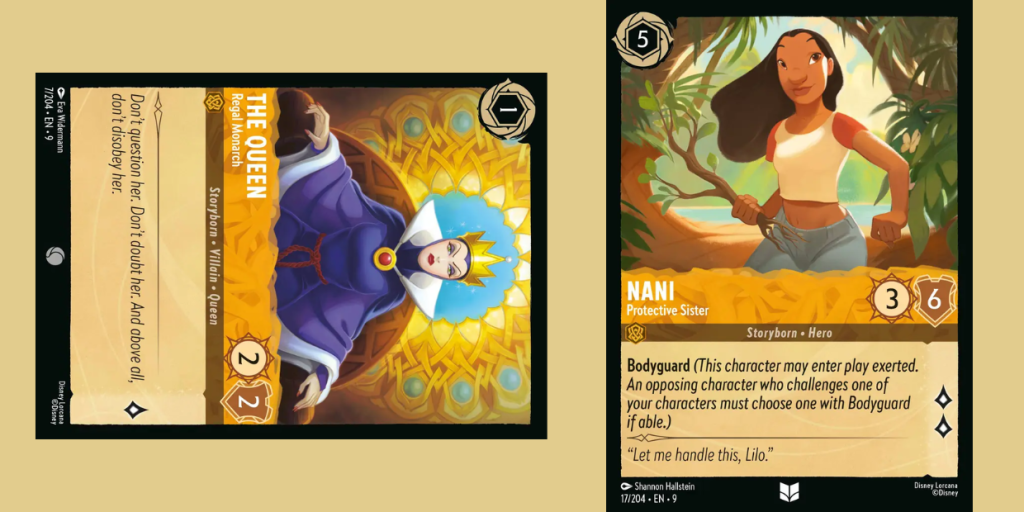
我方場面:
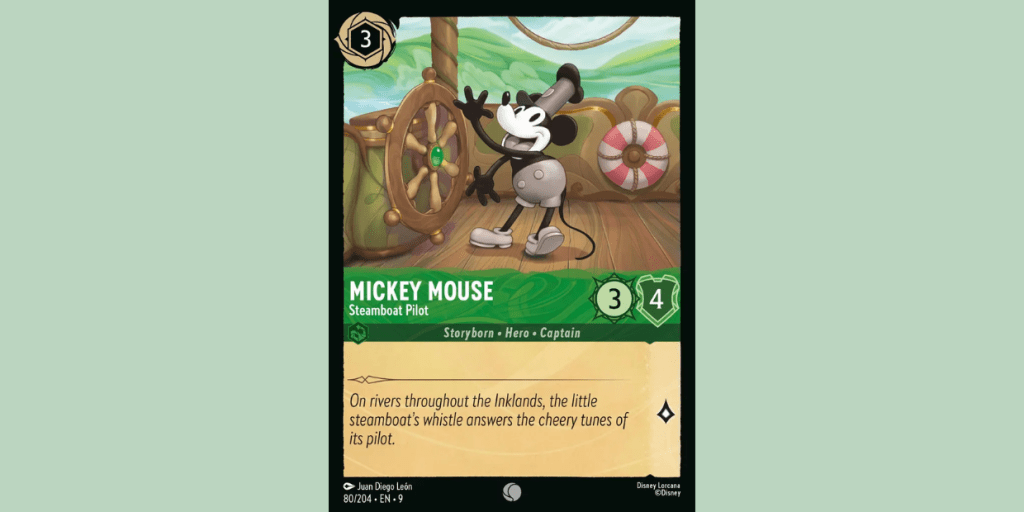
若我方角色已於上一回合進場,
此時 Micky Mouse 可以 Challenge 對方的 The Queen。
雖然對方場面 Nani 具有 Bodyguard ,
但此時目標並不合法,
因為 Micky Mouse 不能 Challenge 站著(Ready)的角色,
所以可以 Challenge 對方的 The Queen。
範例二
對方場面:
我方場面:
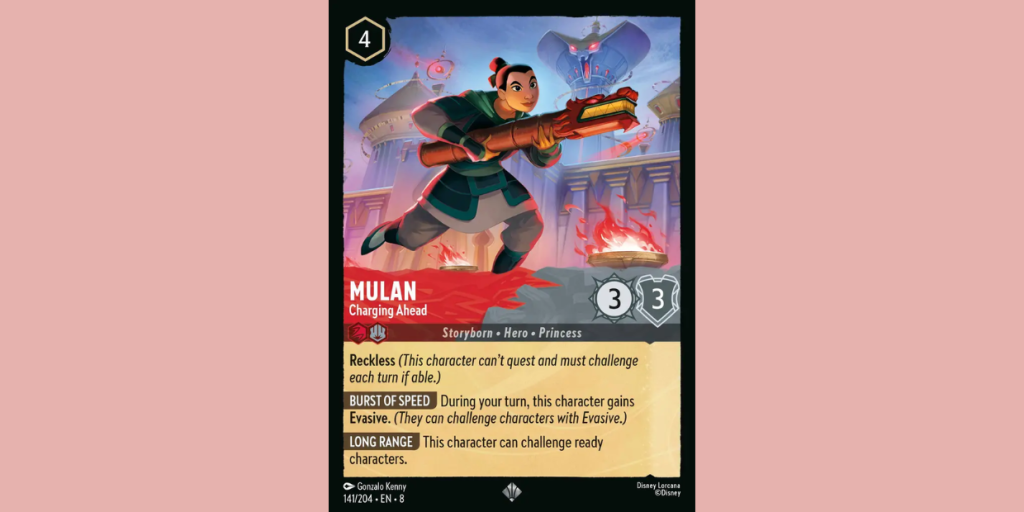
若我方角色已於上一回合進場,
此時 Mulan 不可以 Challenge 對方的 The Queen。
因為對方場面 Nani 具有 Bodyguard ,
雖然對方角色是 Ready 狀態,
但 Mulan 的 “LONG RANGE" 讓他可以 Challenge 站著(Ready)的角色,
此時 Nani 的目標合法,
變成 Mulan 必須要先 Challenge 對方場面的 Nani 。
剛進場的角色不能夠用來施放歌曲(Song)
根據官方規則 4.2. Beginning Phase,
會細分成三個階段: Ready、Set、Draw,
其中官方規則 4.2.2.1 中有寫到:
4.2.2.1. Characters that are in play are no longer “drying” and will be able to quest, challenge, or {E} to pay costs for activated abilities or song cards.
在場的角色需要經過回合開始的 “Set" 階段,
墨水乾了以後,才可以用來當作費用施放歌曲。
若角色費用不夠施放歌曲,不可以用墨水補上差額
這個問題有遇到一些新玩家在問:
「假設我想要施放一個 5 費的歌曲,
我可不可以橫置 3 費的角色,再橫置 2 個墨水。」
這件事情是不行的。
根據官方規則 6.3.3.3. :
6.3.3.3. All songs allow the player to pay an alternate cost instead of their ink cost to play them. Being a song means “Instead of paying the ink cost of this card, you can {E} one of your characters in play with ink cost N or greater to play this card for free.” This is called singing the song.
橫置角色施放歌曲是一個「替代性費用」,
需要橫置大於或等於歌曲費用的角色,
並沒有提到可以用墨水費用補上差額。
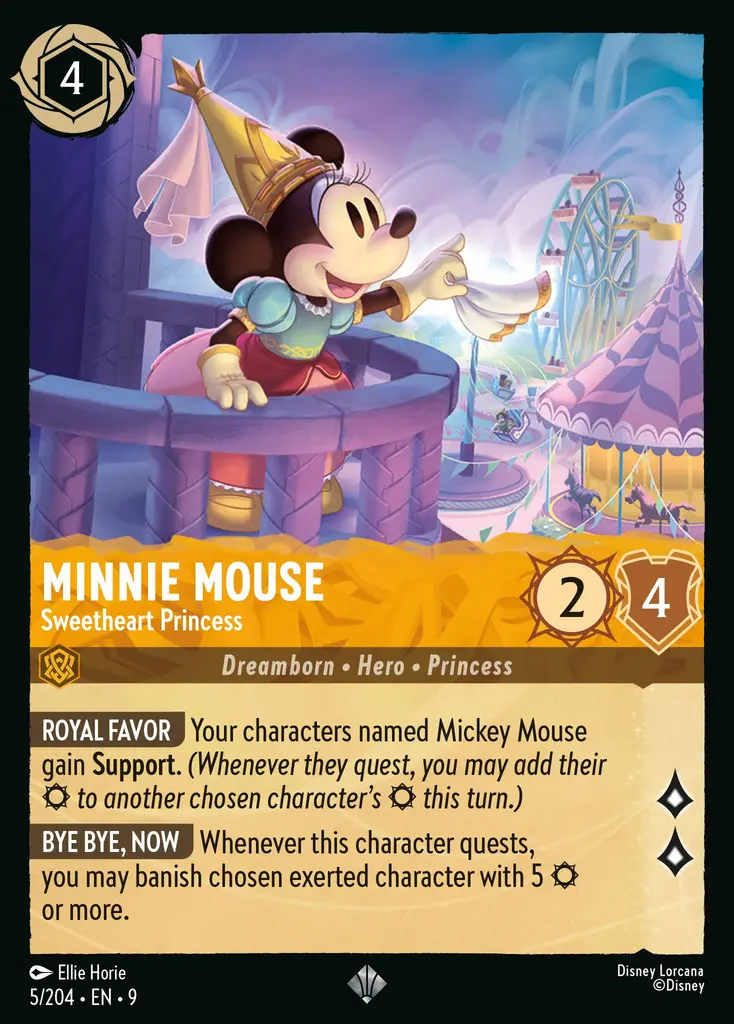
Support 的對象可以選擇對方的角色
根據官方規則 10.11. Support
10.11. Support
10.11.1. The Support keyword represents a triggered ability. Support means “Whenever this character quests, you may add this character’s {S} to another chosen character’s {S} this turn.”
Support 的敘述是 “another" ,並沒有限定是自己的角色。
可能會有人覺得為什麼需要 Support 對方角色,
原因是可以跟其他牌搭配,讓效果更好發動。
範例一
範例二
已 Shift 的角色被當成單一個體,離場時所有卡片一起移動
這句話我想不到比較好的說明方式,
後面舉幾個實際例子。
根據官方規則 10.8. Shift:
10.8.6. When a shifted character leaves play, all cards in its stack (i.e., any cards under it) move to the same zone as the shifted character card does, and the cards are no longer considered to be in a stack (see 5.1.7).
範例一
對方場面:
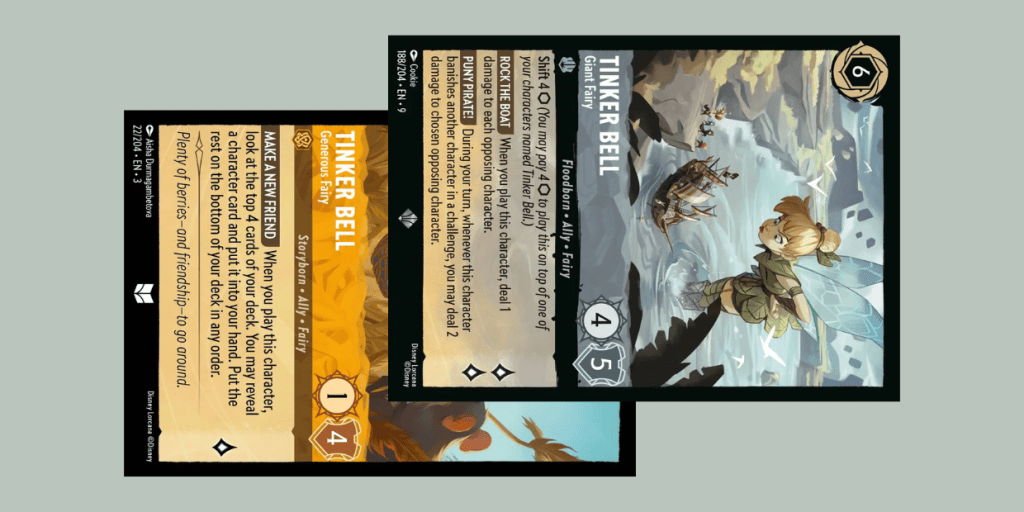
對方場上有利用 Shift 進場的 Tinker Bell。
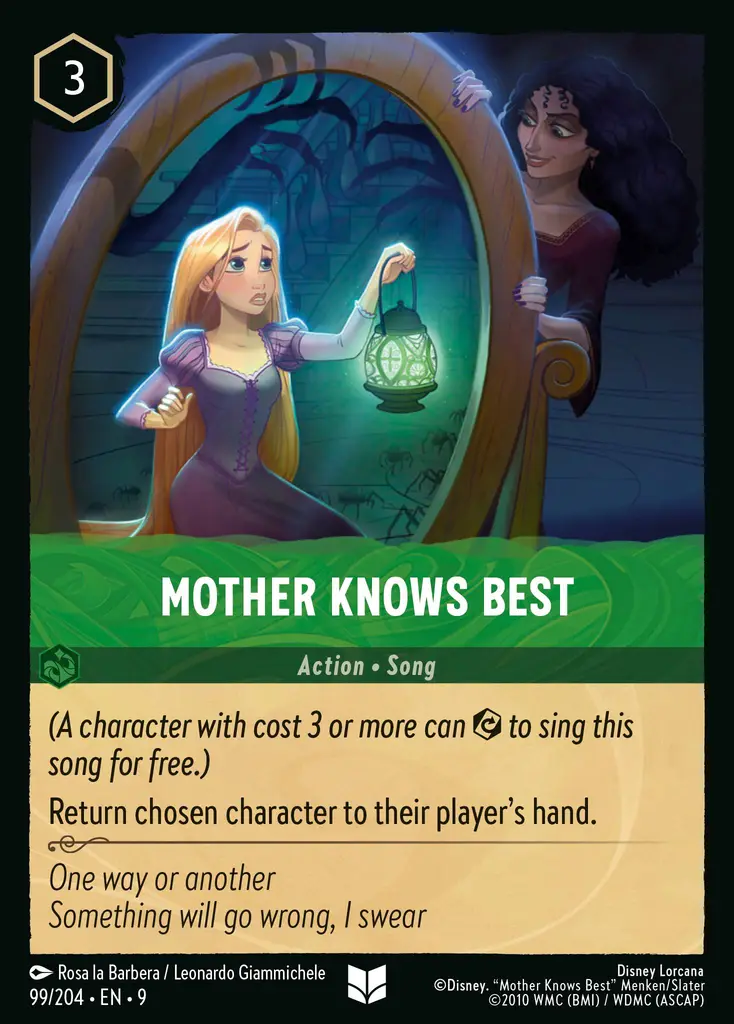
我使用 Mother Knows Best 指定對方 Tinker Bell 回手,
對方會是兩張 Tinker Bell 都會回到手牌,
不會說底下的 Tinker Bell 留在場上或是進入棄牌堆。
範例二
對方場面:
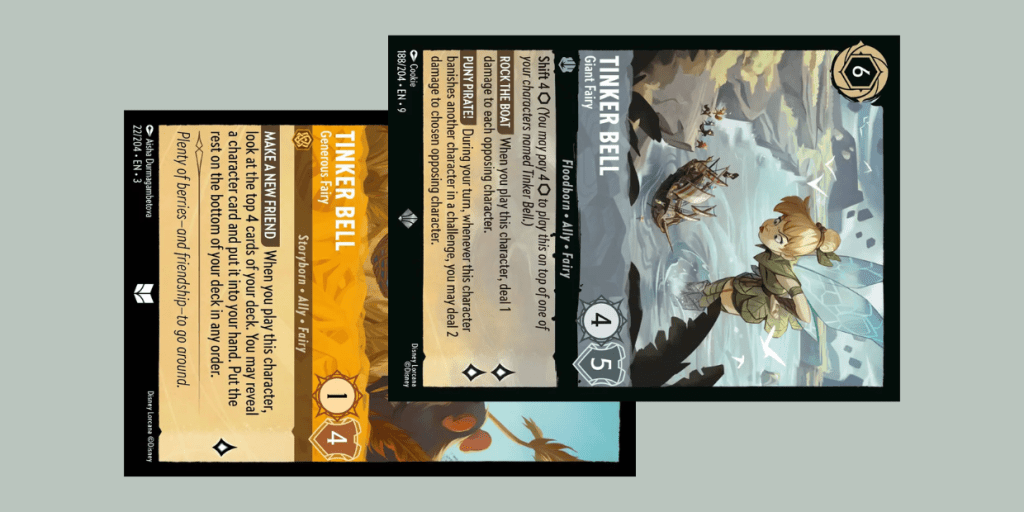
對方場上有利用 Shift 進場的 Tinker Bell。
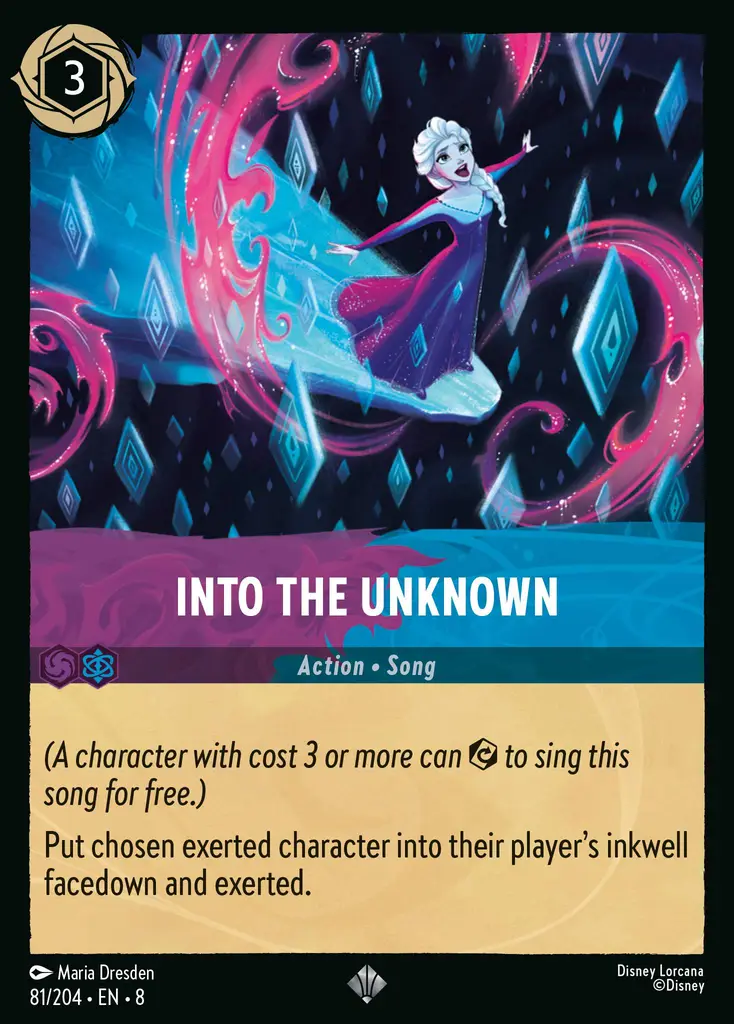
我使用 Into the Unknown 指定對方 Tinker Bell 進墨水池,
對方會是兩張 Tinker Bell 都會進到墨水池。
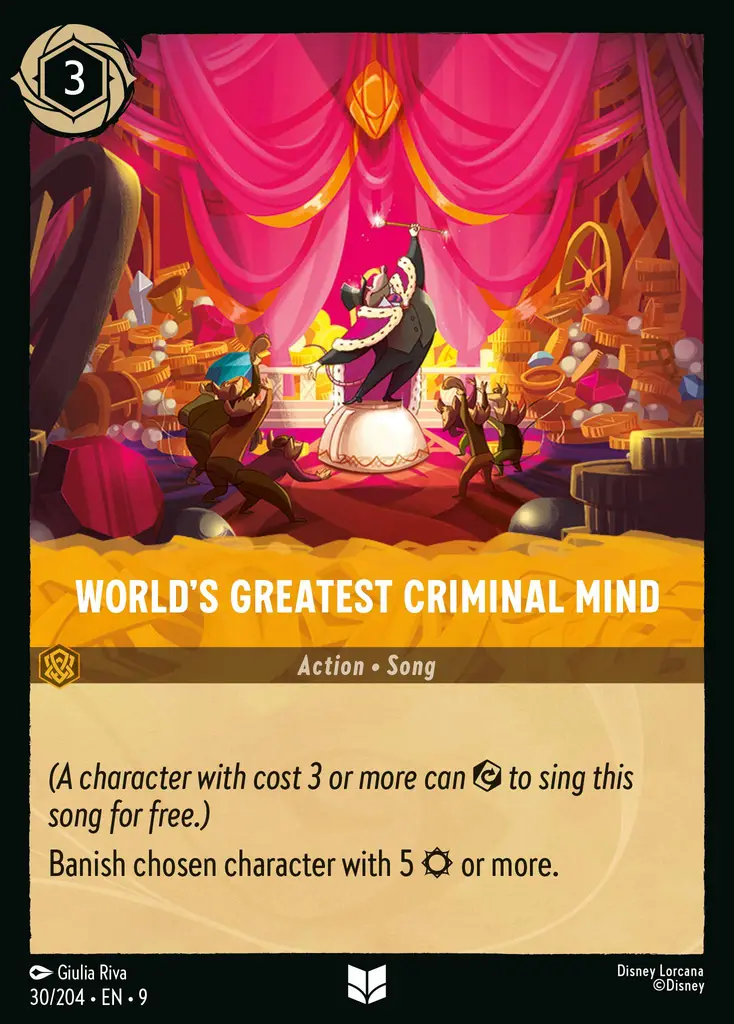
場上的牌被回手或是被移到墨水池中,不會觸發 Banished 的效果
可以接續上一點的範例中提到的牌來看,
根據官方規則 8.6. Discard:
8.6.2. Cards that are banished and action cards that are finished resolving are put into their player’s discard pile.
簡單來說,被 Banished 的牌會進到棄牌堆,
而被回手或是移到墨水池中的不會。
範例一
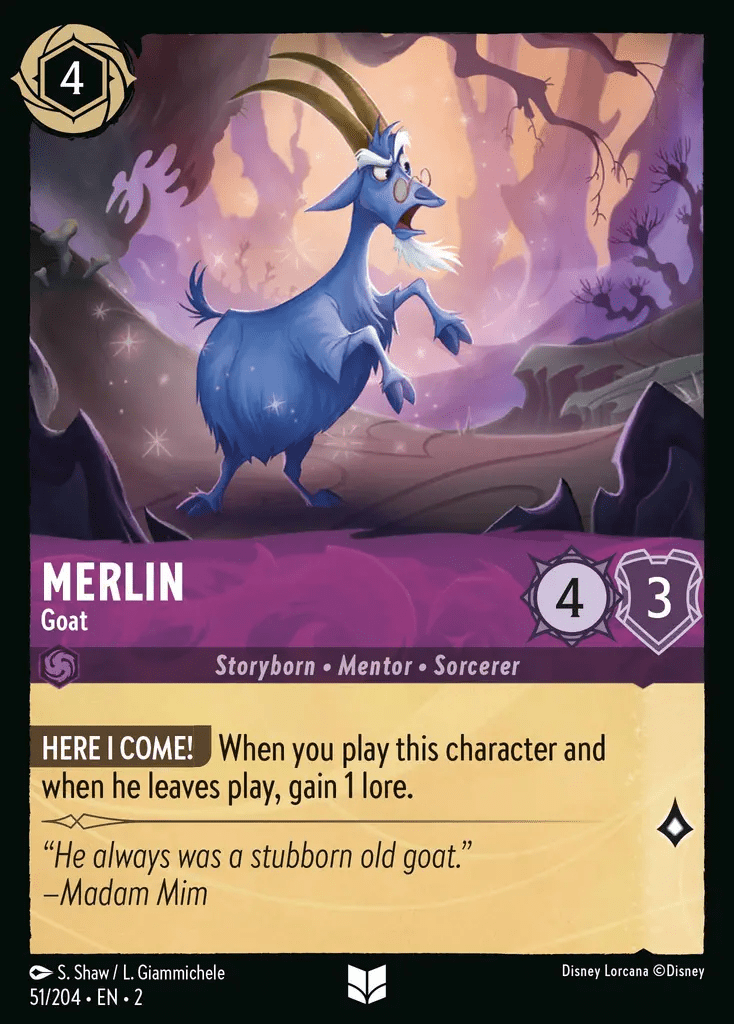
像這張 Merlin 的 “HERE I COME!" ,
when he leaves play
這個只要他離開場上就會觸發效果,
不論他是回到手牌、進到墨水池…等。
Opponent Chooses and discards a card 不是對方隨機棄一張牌
某些新玩家會誤以為這個敘述是對方隨機棄一張牌,
這個是對方可以「選擇」他要棄哪一張牌。
範例一
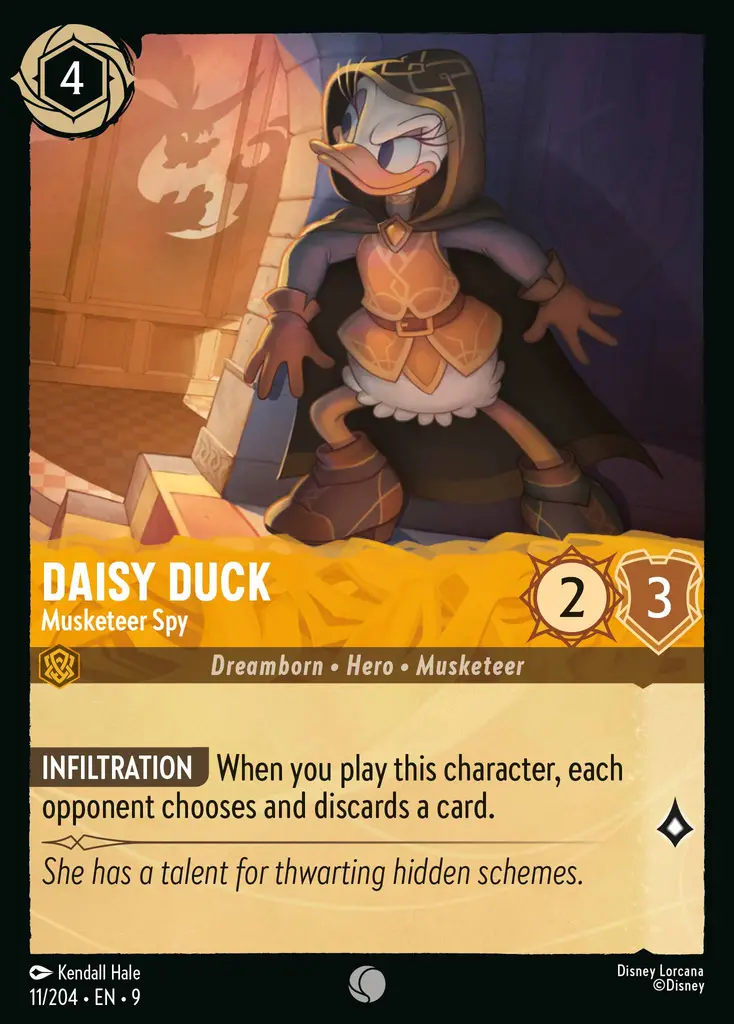
Daisy Duck 進場時,
“INFILTRATION"每位對手需要選擇一張手牌棄掉。
範例二
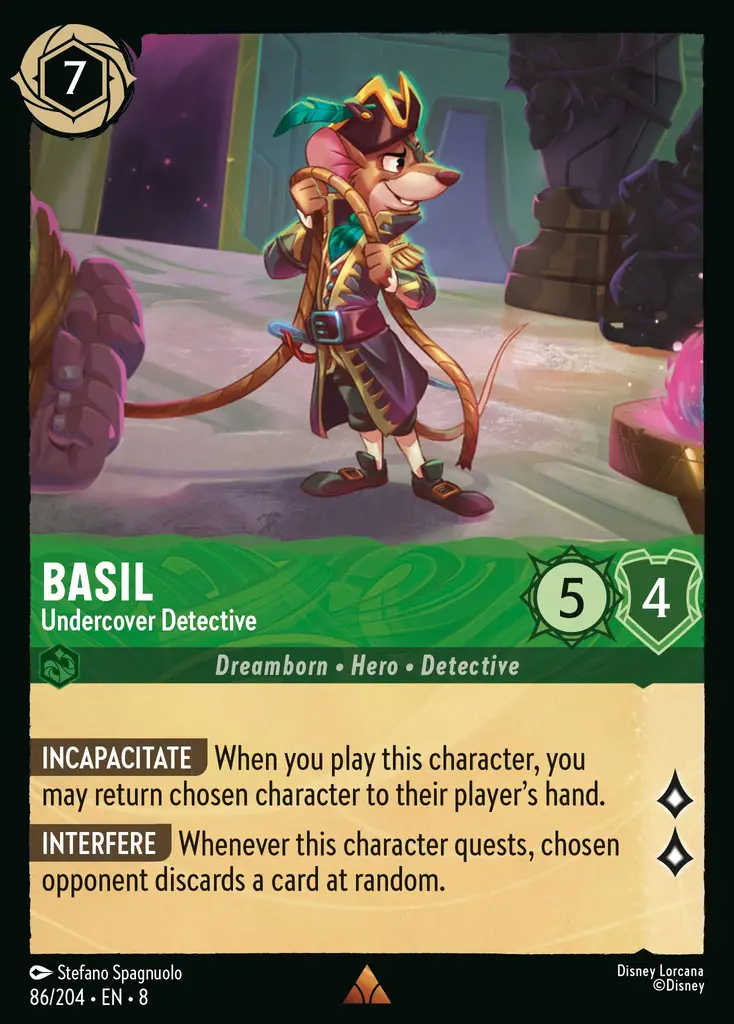
Basil 進行 Quest 時,對手需要隨機棄一張手牌。
opponent discards a card at random.
從上面兩個例子,可以看出敘述上的差異。
墨水池中(Inkwell)的牌是不可以看的
很多新玩家會忘記自己蓋過什麼牌,
會想去看墨水池內的內容,但這其實是不可以的。
根據官方規則 8.5. Inkwell :
8.5.3. The inkwell is a private zone. Players can’t look at a card in an inkwell at any time, even their own. Players can count the number of cards in any inkwell at any time.
只有少數牌張可以在特定時候檢視墨水池(Inkwell)中的牌。
範例一
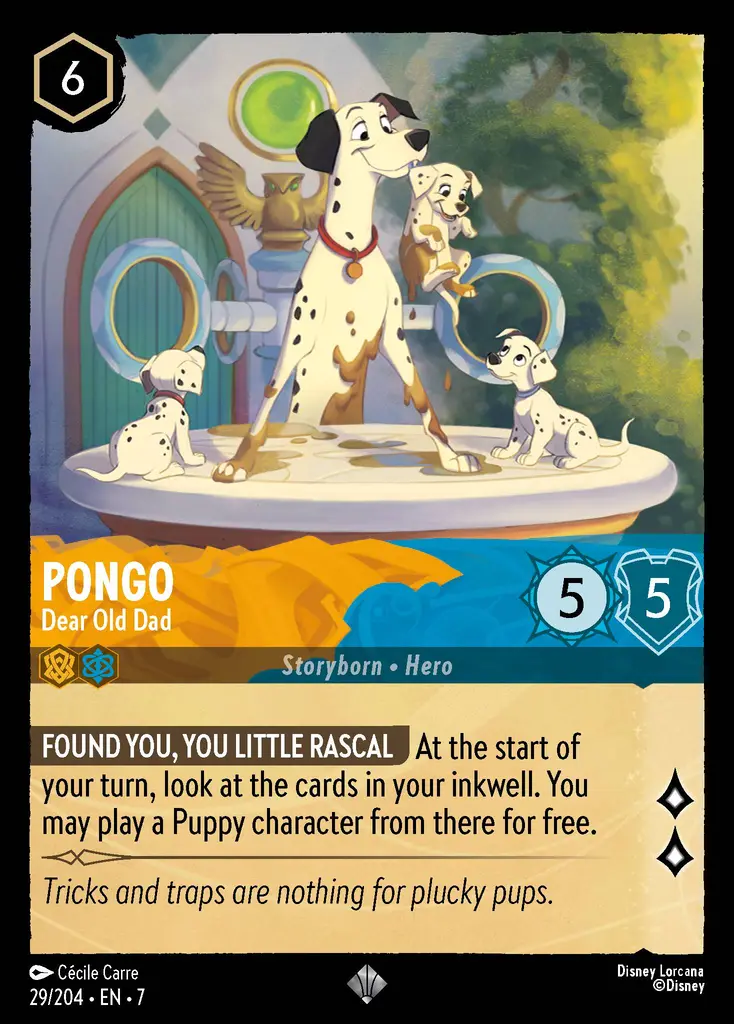
如何避免忘記自己有沒有下過墨水
這是很多新玩家會遇到的問題,
可能一邊讀卡片敘述、一邊要理解場上的情況,
很容易就忘記自己有沒有下過墨水。
根據官方大賽規則 4.4 Inkwell:
A player is allowed to leave the last card they put into their inkwell faceup during the turn it was put there. Once that turn ends, the play should turn it facedown in the inkwell.
這回合剛下的墨水可以先正面朝上,回合結束時再翻回背面朝上,
這個可以很好的幫助自己記得有沒有下過墨水。




 TCG 英文筆記
發表留言